Cooking Made Simple (Visual Recipes for Autism + Life Skills)
Cooking is more than food. For many autistic kids (and adults), it’s a brilliant way to practise life skills like following steps, making choices, waiting, and being more independent.
And the best part? When you use visual recipes, cooking becomes calmer and easier to understand.
| Print picture recipes to help students who benefit from visual cues. Use the What You Need Sheets to help students gather materials and to help students who practice community skills select and make purchases for preparation in class. Put the recipes in plastic sheet protectors or laminate them so you can use them over and over. Direct adult supervision is required during cooking, of course. |
1) Free visual picture recipes you can print today
Make 10 x Trail Mix page one and Trail Mix page two, and take a hike!
What You Need: ingredients to make 10 x Trail Mix.
Fruit Smoothie: page one and page two picture recipe. What You Need: ingredients to make a tasty Fruit Smoothie.
Dirt Pudding – Print a Picture Recipe and Ingredients for a fun favourite (3 pages).
Dogs in a Blanket Picture Recipe and What You Need to make Dogs in a Blanket.
Traffic Lights Picture Recipe and What You Need to make Traffic Lights.
Black-Eyed Peas and Cornbread -Picture recipes and a page of what you need to make these treats to celebrate ethnic cuisine.
Accessible Chef (free visual recipes + PDFs) – step-by-step picture recipes made for people with disabilities (printable downloads).
Able2Learn visual recipes (free downloads) – real-photo, step-by-step recipe pages.
BeyondAutism visual recipe card (PDF) – a simple visual “recipe card” format that’s great for food confidence (touching/trying food is optional).
Make it reusable: print, put in a sheet protector, and use a whiteboard marker to tick off steps.
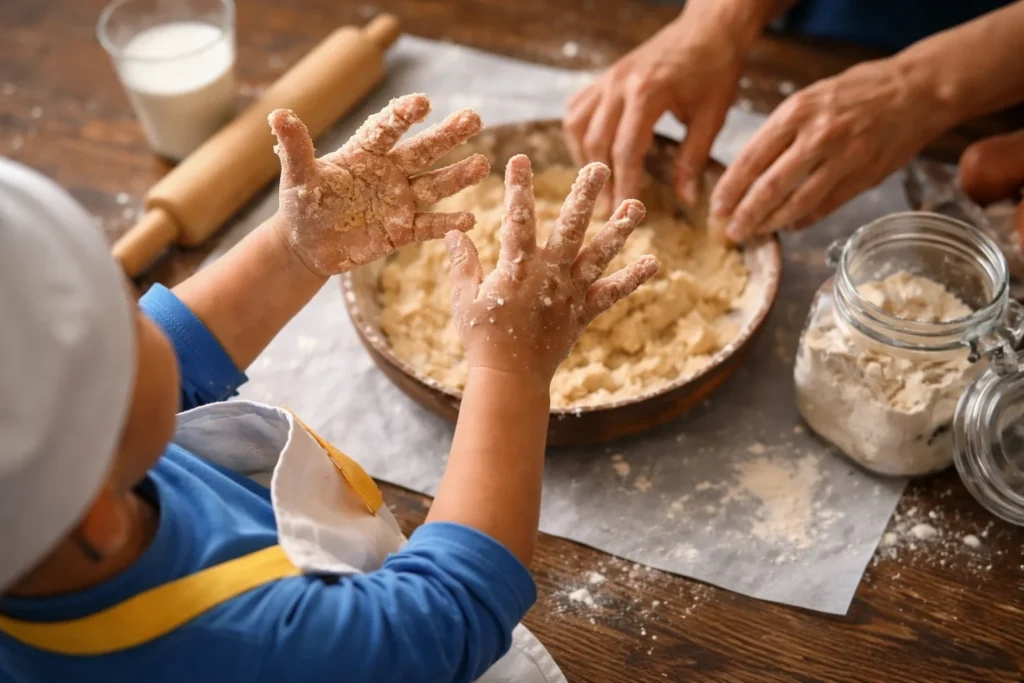
2) Make your own “What You Need” sheets (shopping + community skills)
If you want students to practise shopping, your best friend is a one-page list: ingredients + tools + how many.
- Accessible Chef recipe creator shows how to build and share your own visual recipes.
- Teach label reading with a simple cheat sheet (great for shopping practice): Queensland Health “reading food labels”.
Quick tip: start with ONE question at the shop: “Find the word sugar” or “How many grams of protein?”
3) Kitchen tools “Cooking Pix” replacements (free picture cards)
- Download these cooking Pix. Nice photos “borrowed” from catalogues. Print them on cardstock, cut out, laminate and use as flash cards for simple ID OR really expand speech opportunities by asking the student to describe how the items are used.
- Free printable kitchenware flashcards (lots of utensils and tools).
How to use them (easy):
- “Point to the whisk.”
- “What do we use this for?”
- “Show me where it lives in the kitchen.”
4) Measuring made easier (worksheets + visuals)
- A teaspoon identification worksheet.
- Some measuring cup worksheets to help learn measuring.
- Measure Up worksheet (PDF) – matching ingredients to the best measuring tool (great life-skill practice).
- Reading measuring cups + capacity worksheets (free).
- Printable measurement worksheets (capacity, temperature, basic measurement).
- Fluid Measurement Graphics – gallon graphic and Mr Gallon
- “Gallon Man / Mr Gallon” style chart for cups–pints–quarts–gallons.
Autism-friendly tip: teach “fill to the line” first, before fractions.
5) Food label questions (pudding / soup packet style)
- Label Questions -understand packet information about pudding and tomato soup.
- KidsHealth food label worksheet (PDF) – compare two foods, find sugar, serving size, etc.
- SA Education food labelling kit (PDF) – classroom-ready activities for ingredients + nutrition panel.
6) Hygiene and safety visuals (super important)
Cooking success starts with clean hands and clear safety rules.
- Hand Washing social story (PDF) from Autism Research Institute.
(And yep – direct adult supervision is still a must around heat, knives, choking risks, and allergies.)
Your 15-minute starter plan (no stress)
Pick one no-cook visual recipe (trail mix, dips, smoothie).
Print a What You Need list (ingredients + tools).
Do one measuring activity (fill to the line / match tool to ingredient).
Finish with a quick win: “Put tools away” using the picture cards.